
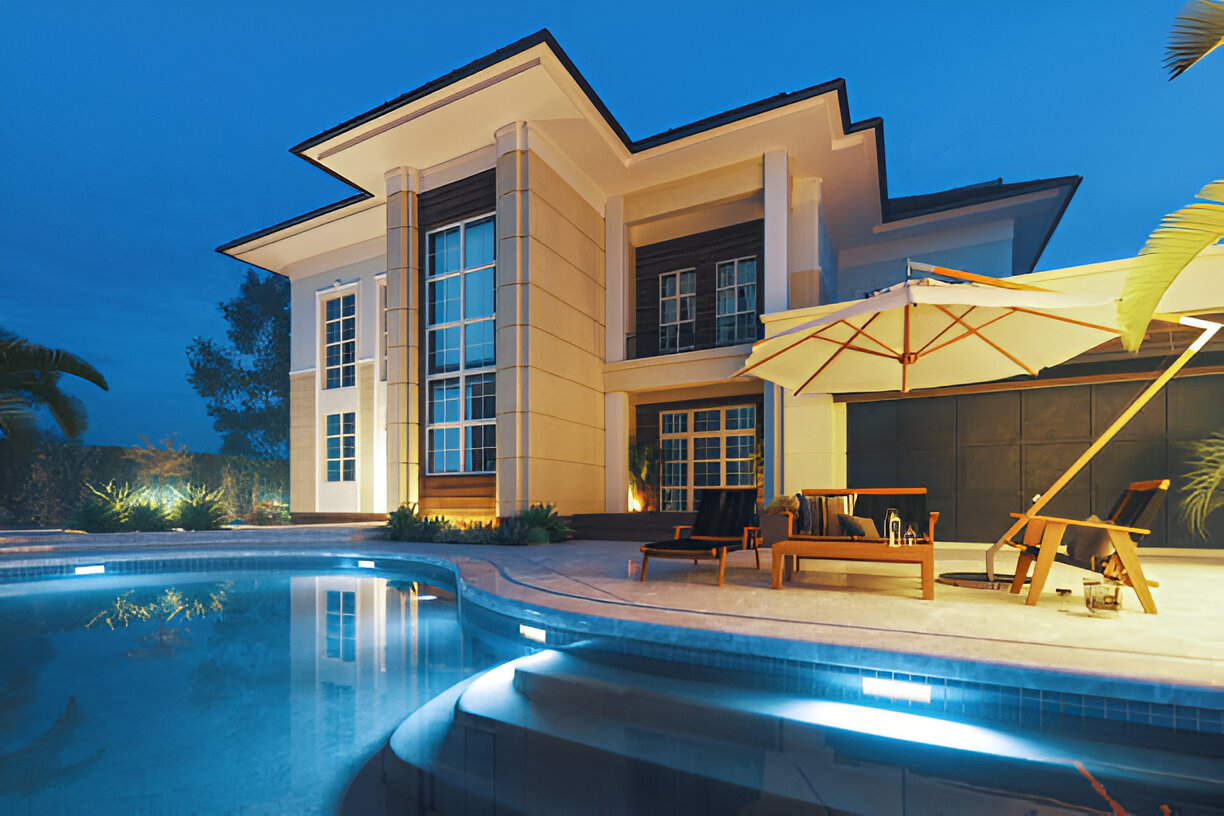
Dubai has strict rules to ensure safety, hygiene, and structural standards for all private swimming pools, whether it’s a villa pool, rooftop pool, indoor pool, or backyard plunge pool.
If you’re planning to add a pool to your home, understanding these rules will save you time, money, and unnecessary delays. Here’s the details of Dubai’s private swimming pool rules and approval requirements.
1. You Need Official Approval Before Construction Starts
Swimming Pool construction cannot begin without getting proper approval from:
- Dubai Municipality (DM) – main authority for swimming pool approval
- Trakhees / EHS – if your property falls under PCFC zones
- DDA (Dubai Development Authority) – for certain free zones
- Nakheel / Emaar / Community developers – if your villa is inside a master community
The authority checks your architectural drawings, MEP layouts, structural details, safety measures, and site conditions before giving permission to start work.
2. Pools Must Follow Structural and Engineering Safety Standards
Dubai regulations ensure the pool is structurally safe. Key requirements include:
- Proper waterproofing to prevent leakage
- Safe foundation support
- Structural calculations for walls, decking, and surrounding areas
- Correct placement of pool equipment rooms
- Safe spacing between pool edges and villa structures
Even a small pool needs detailed engineering drawings approved by the authority.
3. Fencing and Safety Barriers Are Mandatory
One of the most important rules for private swimming pools in Dubai is child safety.
Your pool must have:
- A fence or barrier at least 1.2m high
- A gate with self-closing, self-latching mechanism
- No open gaps that a child can pass through
These rules apply whether your pool is indoors, outdoors, or on a terrace.
4. Proper MEP Standards Must Be Followed
Dubai Municipality have strict requirements for:
- Pump and filtration systems
- Electrical grounding and bonding
- Pool lighting safety
- Drain location and anti-entrapment systems
- Water circulation and flow rate
The MEP drawings are reviewed carefully before approval is granted.
5. Water Quality and Hygiene Standards
To ensure safe swimming conditions, Dubai requires:
- Correct chlorination or approved treatment system
- Regular filtration
- Safe pH levels
- Proper drainage and backwash lines
Your pool contractor must follow these standards during installation and handover.
6. Setbacks and Distance Requirements Must Be Followed
Each villa community has its own rules for:
- Distance between pool edge and boundary wall
- Depth limitations for certain areas
- Restrictions for rooftop pools
- Plumbing and drainage outlet positioning
Approvals are only issued once these community guidelines are met.
7. Inspections Are Mandatory Before Final Approval
Once the pool is constructed, authorities will check:
- Structural stability
- Electrical and plumbing safety
- Fence and gate compliance
- Water quality
- Equipment room layout
- As-built condition vs. approved drawings
Only after inspection do you receive completion approval for your private swimming pool.
Many homeowners assume approvals are just paperwork, but in Dubai, they play a major role in:
- Preventing water leakage issues
- Ensuring child safety
- Avoiding community fines
- Meeting villa modification rules
- Protecting property value
- Ensuring all construction is legal
Unapproved pools can lead to penalties, removal notices, and issues during property resale.
At FitoutApprovals, we help villa owners and contractors get swimming pool approval quickly and without stress. Our team handles:
- Architectural drawings
- MEP design
- Structural calculations
- Authority submissions
- Community NOCs
- Dubai Municipality / DDA / Trakhees approvals
- Inspection coordination
With the right documentation and clear drawings, the approval process becomes smooth and predictable.
If you’re planning a private swimming pool in Dubai and want the approvals handled professionally, we’re here to help.
